
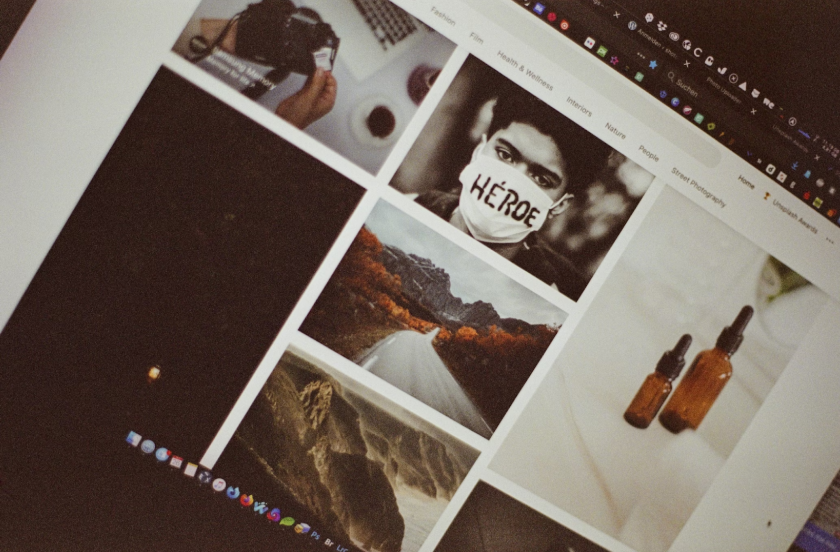
When people hear the term web design, the first thing that usually comes to mind is visuals—things like colors, layout, typography, and images. And while those elements are important, the truth is, great web design goes much deeper than surface-level beauty. It’s about creating a meaningful, functional experience that actually helps people. Whether you’re selling a product, telling a story, or simply providing information, design plays a major role in how people interact with your website—and whether they stick around.
First Impressions Are Only the Beginning
There’s no denying that the way your website looks plays a big part in first impressions. Studies have shown that people form an opinion about a site in a fraction of a second. If your site looks outdated, cluttered, or confusing, users may leave without even giving your content a chance. So yes, visual appeal is important—but it’s only the beginning.
What happens next is even more important. Once someone decides to stay on your site, they need to feel like they’re in the right place. If navigation is confusing or buttons don’t work the way they should, they’ll get frustrated. A site that’s pretty but hard to use will still fail. That’s why the best web design is both beautiful and functional—it helps users move effortlessly from one point to the next.
Design Is About Experience, Not Just Aesthetics
One of the most important aspects of good design is user experience (UX). This is about how it feels to use your website. Is it easy to find things? Does the layout make sense? Do the pages flow in a logical way? All of these things matter because they directly impact how someone interacts with your brand.
If your website is designed with the user in mind, people won’t have to think too hard to find what they need. They’ll be guided naturally through your content or toward a goal—whether that’s buying a product, signing up for a newsletter, or getting in touch. Great web design removes friction. It doesn’t make people work—it makes things easier.
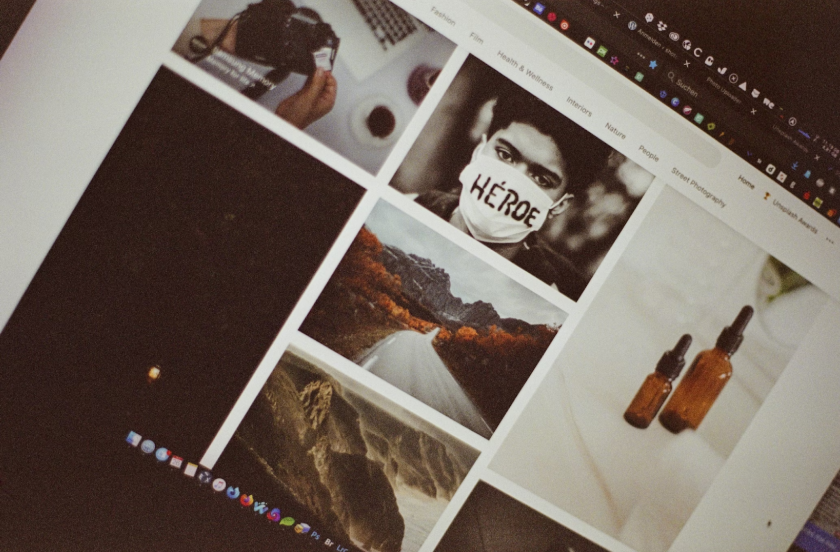
Performance Is Part of the Design
It’s easy to forget that speed and performance are part of web design too. A website might look amazing, but if it takes five seconds to load, people will bounce. Online users are impatient—they expect fast, seamless experiences. Slow-loading pages or features that don’t work properly create frustration, which leads to lost opportunities.
And it’s not just users who care—search engines do too. Google ranks faster websites higher in search results, so if your site is slow, it could affect your visibility. That means optimizing your site for speed, responsiveness, and mobile compatibility isn’t just technical—it’s a design choice that can impact your business.
Accessibility Matters for Everyone
A truly well-designed website isn’t just easy to use for some people—it’s usable by everyone, including those with disabilities. Accessibility should be baked into the design process from the beginning. That means using proper contrast for text, including alt text on images, enabling keyboard navigation, and structuring your content in a way that screen readers can understand.
When you design with accessibility in mind, you’re making a statement: that your website is for everyone, regardless of ability. And in many regions, accessibility is not only a best practice—it’s also a legal requirement. So, accessible web design isn’t just good design; it’s smart and inclusive business.
Your Website Should Serve Your Business Goals
Every website exists for a reason. Maybe you want to drive sales, generate leads, share knowledge, or build a community. Whatever your goal, your website should be designed to support it. Great web design doesn’t just look good—it helps you reach your goals faster and more efficiently.
This is done by being intentional. A call-to-action button should be placed where users naturally look. Important content should be prioritized. Your homepage should tell people exactly what you do and why they should care. Every decision should be tied to a purpose. When you approach design strategically, it becomes a tool for growth, not just a pretty face.
Content and Design Go Hand-in-Hand
You can’t talk about design without talking about content. The two go hand in hand. A beautiful design with weak content is all style and no substance. On the other hand, amazing content that’s poorly presented won’t get read. The best websites use design to enhance content—through good typography, spacing, visual hierarchy, and layout.
When you combine strong content with thoughtful web design, you create a site that not only looks great but also communicates clearly. Users can find what they need, understand your message, and take action. That’s the sweet spot.
Trust and Credibility Are Built Through Design
Your website is often the first impression someone will have of your business. If your design is sloppy, inconsistent, or outdated, it sends the wrong message. On the other hand, clean, modern, consistent design creates trust. It shows people that you care about your business and about them. Small details like secure browsing (HTTPS), professional images, and easy-to-find contact information all make a big difference.
Design influences perception. Great web design helps you look reliable, competent, and professional. And once people trust you, they’re more likely to take the next step—whether that’s making a purchase, filling out a form, or sharing your site with others.
At the end of the day, web design is not just about making things look pretty. It’s about creating an experience that’s enjoyable, efficient, and effective. It’s about helping people achieve what they came to your site to do—without frustration, confusion, or delay. Great design is functional. It’s inclusive. It’s fast, purposeful, and user-focused.
Wrapping up
If you treat your website as just a visual project, you’ll miss out on everything else that makes it successful. But if you approach web design as a balance of art and strategy, you’ll end up with something much more powerful: a website that not only looks great but works beautifully—for your visitors and your business.