
Dirkje Kuik (1929–2008), born as William Diederich Kuik, was a renowned Dutch writer, visual artist, and one of the first openly transgender women in the Netherlands. Kuik’s legacy spans both literature and the visual arts, making her a significant cultural figure in Dutch history.
When art comes to life.
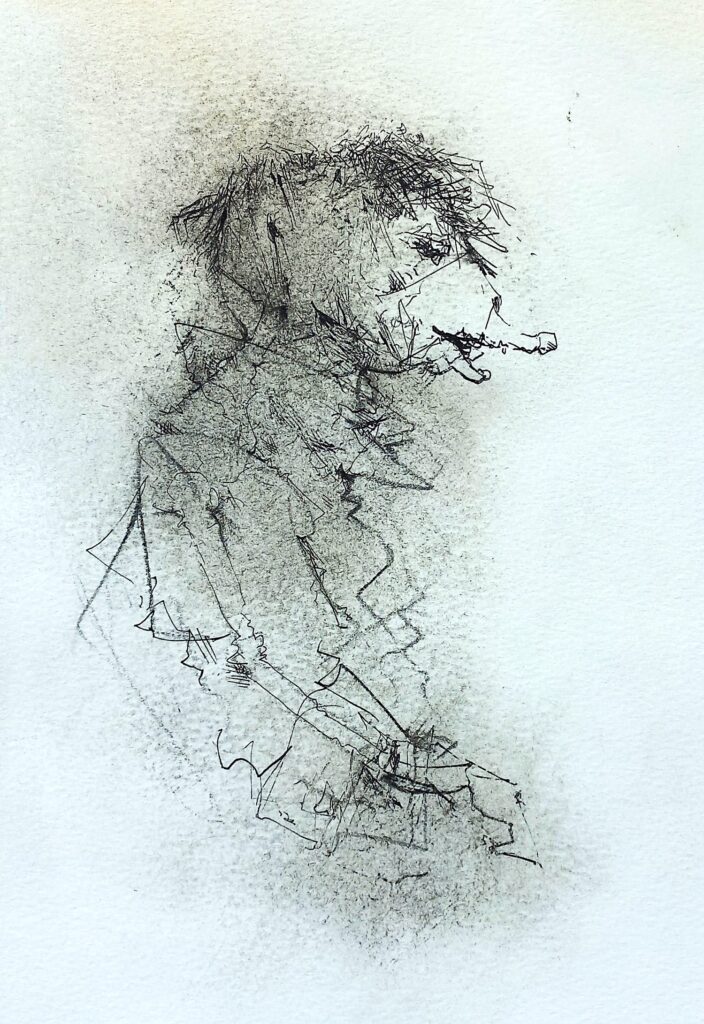
Born in Utrecht, Kuijk initially lived as a man and was interested in art from an early age: she studied at the Rijksmuseum in Amsterdam and became an influential art critic for Het Parool and Vrij Nederland. Her early artwork featured intricate cityscapes and portraits created using a variety of graphic techniques, including engraving and pen drawings. She also founded the graphic collective De Luis together with other leading Dutch artists, further strengthening her position in the art world.
Literary and Artistic Contributions
Kuik’s literary works often intertwined with her visual art. Her novel “De Held van het Potspel” (1974) earned her the prestigious Vijverberg Prize, and she continued to produce significant literary works well into the 1990s. She was awarded the Multatuli Prize in 1998 for her novel “Broholm.” Her art, meanwhile, remained focused on detailed representations of urban landscapes and intimate portraits, often reflecting her deep connection with the city of Utrecht, where she spent most of her life.
Kuik’s artistic work was celebrated in several exhibitions and was featured in the Dirkje Kuik Museum, established after her death in her former home in Utrecht. The museum preserved her legacy until it closed in 2011
A Hero of Activism
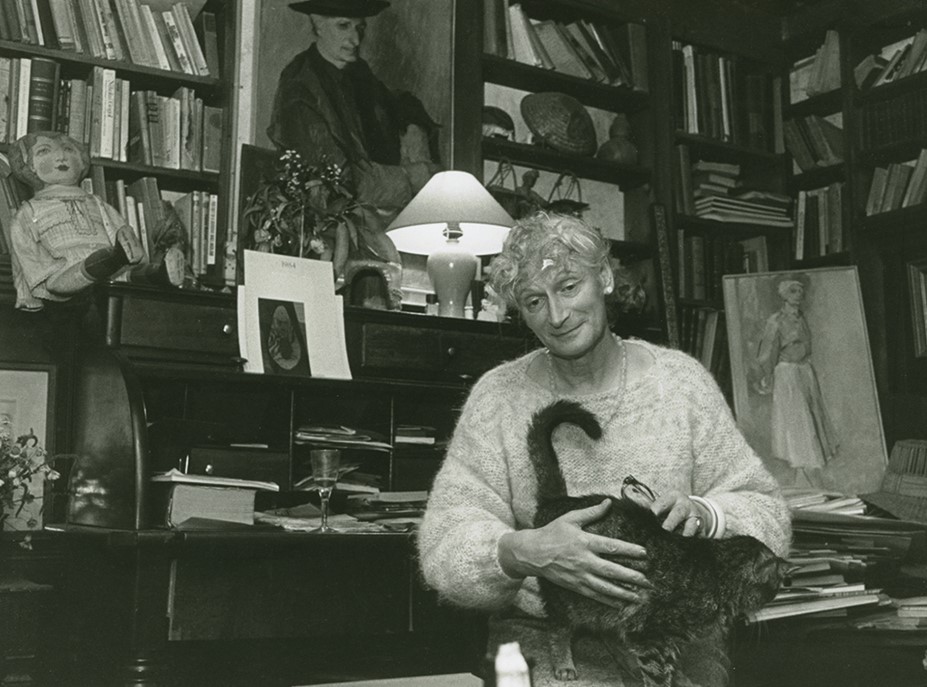
In the late 1970s, after years of struggling with gender identity, Kuik underwent gender-affirming surgery in London, officially transitioning in 1979. This was during a time when trans issues were rarely discussed in public, making her one of the pioneers of transgender visibility in the Netherlands. Her personal experiences with gender dysphoria heavily influenced her later work. In her writings, Kuik explored these themes in a unique way, describing herself as a “gender diaspora patient,” a term she preferred over the term transsexual, which was commonly used at the time.
Kuik became an activist for transgender rights. She fought a legal battle with the Dutch state to allow individuals to change their legal gender and name, a landmark case that resulted in more progressive policies for trans people in the Netherlands. This activism laid the groundwork for important changes in Dutch law related to gender identity.
The Importance of the Dirkje Kuik Legacy
Dirkje Kuik is remembered not only for her artistic talent but also for her courage and impact on transgender rights. Her ability to navigate the often-hostile cultural landscape of her time and to thrive both as an artist and a public figure has cemented her as an icon in Dutch cultural history.
In recognition of her influence, a foundation was established to manage her artistic legacy, ensuring that her works and life story continue to inspire future generations. This website today, is the purest representation of that.
The Dirkje Kuik Foundation is responsible for managing and preserving the artistic and literary legacy of Dirkje Kuik, a distinguished Dutch writer, artist and transgender hero. The foundation was established after Kuik’s death in 2008 and strives to ensure that her contributions to arts and culture continue to be accessible to the public. This includes preserving her work, organizing exhibitions and promoting her influence as an artist, as well as an activist.
Kuik’s extensive portfolio includes cityscapes, portraits and graphic art, which the foundation curates and exhibits at various events. In addition to preserving art, the foundation also serves to celebrate Kuik’s impact on transgender rights in the Netherlands: her activist work, particularly her efforts to secure legal recognition for transgender people.